
Knee Pain & Osteoarthritis Treatment in Delhi-NCR
Persistent knee pain can quietly take over daily life, making stairs, walks, and even sleep difficult. If you’ve been searching for reliable knee pain treatment in Delhi-NCR, you’re not alone; knee pain and osteoarthritis are among the most common reasons people consult a pain specialist after age 40. Knee osteoarthritis develops gradually as cartilage wears down, leading to stiffness, swelling, and reduced mobility over time. While mild discomfort may settle with rest, ongoing or worsening pain usually signals an underlying condition that needs proper evaluation.
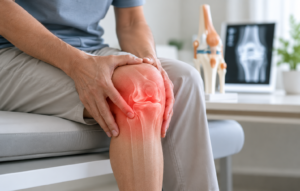
Knee pain doesn’t always stem from arthritis alone; injuries, overuse, weight, and lifestyle factors can all contribute, which is why an accurate diagnosis matters more than guesswork or generic home remedies.
Dr. Namrata Dabas, a leading knee pain specialist in Delhi-NCR, offers advanced, non-surgical treatment for knee osteoarthritis designed to relieve pain, restore mobility, and help patients avoid or delay surgery whenever possible.
Reach Out for Expert Care
What are the Causes of Knee Pain & Osteoarthritis?
Knee pain rarely develops from a single factor. It’s usually the result of one or more underlying causes working together over time, which is why two people with similar symptoms can need very different treatment plans.
- Age-related wear
- Injury or trauma
- Repetitive strain
- Excess body weight
- Muscle weakness or imbalance
- Previous surgery
- Inflammatory or autoimmune conditions
Types of Knee Pain & Osteoarthritis
Once the underlying cause is identified, the next step is recognising which specific condition is responsible for your symptoms.
Knee Osteoarthritis (OA) – The most common reason for knee pain after 40. The natural cushioning in your knee slowly wears away, causing stiffness, swelling, and a grinding feeling that tends to get worse over time if ignored.
Meniscus Tears – A tear in the soft, cushiony tissue inside your knee, often from a sudden twist or simply years of everyday wear. It can cause sharp pain and a strange feeling of your knee “catching” or “locking” up.
Ligament Injuries (ACL, MCL, PCL) – Sprains or tears in the bands that hold your knee steady, often happening during sports or sudden movements. Your knee may feel wobbly, unstable, or like it could “give way” without warning.
Patellofemoral Pain Syndrome (“Runner’s Knee”) – A dull, nagging ache around or behind the kneecap. It’s common in runners, cyclists, and people who sit for long hours or climb stairs often.
Iliotibial Band Syndrome (ITBS) – A burning pain on the outer side of the knee, often felt by runners, caused by a tight band of tissue rubbing against the joint with movement.
Knee Bursitis – Swelling and soreness caused by small, fluid-filled cushions in the knee becoming irritated, often from kneeling too much or repeated pressure.
Patellar Tendonitis (“Jumper’s Knee”) – Pain just below the kneecap from overworking the tendon there, commonly seen in people who play sports involving a lot of jumping.
Post-Surgical Knee Pain – Pain or stiffness that lingers after knee surgery or a knee replacement, usually because of scar tissue forming or the knee still healing.
Risk Factors for Knee Pain & Osteoarthritis
Certain factors don’t directly cause knee pain, but they make you more likely to develop it over time. Knowing your risk factors can help you take preventive steps early and seek treatment for knee pain before symptoms worsen.
- Age
- Excess body weight
- Previous knee injuries
- Repetitive stress
- Family history
- Sedentary lifestyle
- Weak muscles around the knee
Many of these factors can be managed with the right lifestyle changes, and if pain does develop, a knee pain specialist can help identify the right course of action before it becomes a long-term problem.
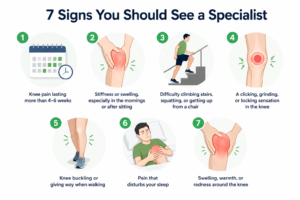
Signs You Should See a Knee Pain Specialist
Knee pain that doesn’t settle with rest or keeps coming back is often a sign that something more than a simple strain is going on. Ignoring these symptoms for too long can sometimes make treatment more complex down the line.
How Is Knee Osteoarthritis Diagnosed?
Getting the right treatment starts with an accurate diagnosis. Dr. Namrata Dabas uses a detailed, step-by-step evaluation to understand exactly what’s causing your knee pain before recommending any treatment.
- Clinical Evaluation – Reviewing your symptoms, medical history, and how the pain affects daily movement.
- X-Ray – Detects joint space narrowing, bone spurs, and the stage of osteoarthritis.
- MRI Scan – Identifies cartilage damage, meniscus tears, or ligament injuries not visible on X-rays.
- Ultrasound – Checks for inflammation, tendon issues, and fluid build-up, and guides precise injections.
- Blood Tests (When Needed) – Rules out inflammatory, autoimmune, or infection-related causes.
This combination of clinical assessment and imaging ensures the knee osteoarthritis treatment plan is tailored to your exact condition, rather than a one-size-fits-all approach.
Non-Surgical Knee Pain & Osteoarthritis Treatment Options
Dr. Namrata Dabas focuses on non-surgical, regenerative, and minimally invasive treatments designed to heal the knee from within, helping patients avoid or delay surgery wherever possible.
Super Concentrated Platelets (SCP) Therapy
- Uses concentrated healing components from your own blood to support repair
- Reduces inflammation, pain, and early cartilage damage
- Best suited for early-to-moderate osteoarthritis and tendon injuries
Bone Marrow Aspirate Concentrate (BMAC) Therapy
- Uses healing cells drawn from your own bone marrow
- Supports cartilage repair in moderate-to-severe osteoarthritis
- May help delay or avoid knee replacement surgery
Radiofrequency Ablation (RFA)
- A minimally invasive procedure using controlled heat energy
- Blocks pain-transmitting nerves around the knee joint
- Offers long-lasting relief from a single procedure
Nerve Block Treatment
- A targeted injection that blocks pain signals from specific nerves
- Used for quick relief or to confirm the pain source
- A neurolytic block may offer longer-lasting relief in select cases
Image-Guided Knee Injections
- Precision injections guided by ultrasound or fluoroscopy
- Includes lubrication, anti-inflammatory, and diagnostic options
- Improves accuracy, safety, and overall treatment outcomes
Physiotherapy & Lifestyle Programme
- Strengthens the muscles supporting the knee joint
- Includes mobility exercises and posture correction
- Supports long-term stability and improved movement
Why Choose Non-Surgical Knee Pain Treatment Over Knee Replacement?
For years, knee replacement was seen as the only solution for severe osteoarthritis. Today, advanced non-surgical knee pain treatment offers an effective alternative for most patients, with several key advantages such as:
- No surgery or hospital stay
- Natural healing
- May delay or avoid knee replacement
- Faster recovery
- Cost-effective
- Precise and safe
For many patients, these knee replacement alternatives provide meaningful relief without the risks and recovery time associated with major surgery.
Knee Pain Treatment Cost in Delhi-NCR
The cost of knee pain treatment varies from patient to patient, since no two knees or treatment plans are exactly the same. Several factors influence the final cost, including:
- Your specific condition and the stage of osteoarthritis
- The type of treatment recommended; injections, SCP, BMAC, RFA, or nerve blocks
- Number of sessions required for lasting relief
- Diagnostic tests needed, such as MRI or ultrasound
- Physiotherapy, if included as part of your recovery plan
To make quality care more accessible, tailored treatment packages are also available, bundling consultation, procedures, and follow-up care at transparent, value-based pricing.
For an accurate estimate, book a consultation. Dr. Namrata Dabas will assess your knee, recommend the most suitable treatment, and walk you through the costs clearly before you begin.
Why Patients Trust Dr. Namrata Dabas for Knee Pain Treatment?
- 20+ years of experience in pain management and regenerative medicine
- Expertise in SCP and BMAC therapy for knee osteoarthritis
- 95%+ patient satisfaction with improved pain and mobility outcomes
- Trained in advanced image-guided procedures, using ultrasound and fluoroscopy for precision
- A pioneer in non-surgical treatment for severe knee pain and osteoarthritis
As a trusted knee pain specialist and pain management specialist in Delhi-NCR, Dr. Namrata Dabas combines clinical expertise with a patient-first approach, helping people recover function and stay active without rushing into surgery.
Consultation Locations Near Delhi & Gurugram
Dr. Namrata Dabas consults at leading hospitals across Delhi NCR, with procedures performed at her dedicated centre in Sonipat, making advanced knee pain treatment accessible to patients from Gurugram, Dwarka, and nearby areas.
Knee Pain Consultation in Dwarka
Visit Manipal Hospital, Dwarka, for diagnosis and personalised treatment planning for knee pain and osteoarthritis.
Knee Pain Treatment & Procedures in Sonipat
Advanced procedures such as SCP, BMAC, and other regenerative or interventional treatments are performed at Manipal Jivisha Cancer Centre, Sonipat, with full rehabilitation and follow-up support.
Knee Pain Consultation in Gurugram
Consult Dr. Namrata Dabas at Manipal Hospital, Palam Vihar, Gurugram, for expert assessment and individualised treatment recommendations.
Move Freely Again, Without Surgery
You don’t have to live with knee pain or have to rush into knee replacement. With advanced non-surgical regenerative therapies such as SCP and BMAC, Dr. Namrata Dabas helps you heal naturally, relieve pain, repair damage, and restore movement.
Book your consultation today and take the first step toward pain-free knees.
Medical Disclaimer: The information on this page is provided for educational purposes only and should not be used as a substitute for medical advice. Treatment recommendations vary from person to person and should always be based on an individual consultation and clinical evaluation by a qualified healthcare professional.
Frequently Asked Questions
What is the best treatment for knee osteoarthritis without surgery? expand_more
Non-surgical options like SCP, BMAC, RFA, and image-guided injections can relieve pain and improve mobility, depending on the stage of osteoarthritis.
Can BMAC or SCP therapy really delay or avoid knee replacement? expand_more
Yes. They use your body's own healing cells to repair cartilage and reduce inflammation, often slowing the progression of osteoarthritis in early-to-moderate cases.
When should I see a knee pain specialist instead of waiting it out? expand_more
If pain lasts beyond a few weeks, worsens, or affects walking or sleep, consult a specialist early to prevent further joint damage.
Is Radiofrequency Ablation (RFA) painful or risky for knee arthritis? expand_more
RFA is minimally invasive, done under local anaesthesia, with minimal discomfort and low risk when performed by a trained specialist.
What is the difference between a pain specialist and an orthopaedic surgeon for knee treatment? expand_more
Orthopaedic surgeons typically focus on surgery, while pain specialists use non-surgical, regenerative treatments to relieve pain and often help patients avoid or delay surgery.

Dr. Namrata Dabas's Medical Content Team
Dr. Namrata Dabas’s medical content team specialises in creating accurate, clear, and patient-focused healthcare content. With strong clinical understanding and expertise in technical writing and SEO, the team translates complex medical information into reliable, accessible resources that support informed decisions and uphold Dr. Namrata Dabas’s commitment to quality care.
This content is reviewed by Dr. Namrata Dabas
Related Conditions

Best Joint Pain Treatment Doctor In Delhi NCR
Treatment for joint pain depends on the underlying cause and severity of the pain. Here are some common approaches: Medications:…
Back Pain Treatment in Delhi NCR
Is back pain making your everyday activities difficult? Whether it’s a persistent lower back ache, stiffness, or pain that radiates…
Tennis Elbow Treatment in Delhi-NCR
Tennis elbow is a common condition and a leading cause of elbow pain, often resulting from overuse of the forearm…
Related Blogs
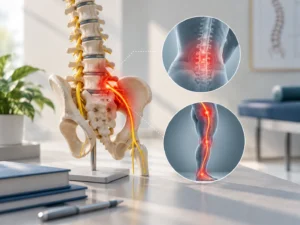
Sciatica vs Back Pain: How to Tell the Difference
Back pain usually stays local to the lower back and comes from muscle or joint…
Read Article →
क्या लंबे समय से हो रहा दर्द कभी पूरी तरह ठीक हो सकता है?
रात को करवट बदलते हुए, या सुबह बिस्तर से उठते ही जो पहला ख्याल आता…
Read Article →
Nerve vs. Muscle vs. Joint Pain: Know the Difference
Pain is your body’s alarm system but not all alarms mean the same thing. A…
Read Article → WhatsApp