
Spine & Back Pain Treatment in Delhi-NCR
Comprehensive non-surgical care focused on pain relief, better movement, and lasting spine and back wellness.
Get Consultation
Connect with Dr. Namrata Dabas for expert Spine & Back Pain Management
Understanding Spine & Back Pain
Spine and back pain are among the most common causes of discomfort, reduced mobility, and impaired quality of life. Back pain can affect the neck, upper back, lower back, discs, joints, muscles, and nerves of the spine, often making everyday activities such as sitting, standing, walking, or sleeping difficult. Common causes include age-related degeneration, poor posture, slipped discs, sciatica, spinal stenosis, sports injuries, and other chronic spine conditions.
Many spine-related conditions can now be effectively managed through advanced Non-Surgical Back Pain Treatment options, including image-guided injections, Epidural Steroid Injections, Nerve Block Treatment, Radiofrequency Ablation (RFA), regenerative medicine, and other minimally invasive procedures. Early diagnosis and timely intervention can help reduce pain, improve function, and in many cases, delay or avoid surgery.
Dr. Namrata Dabas is a leading Pain Management Specialist in Delhi-NCR with over 20 years of clinical experience treating chronic spinal and back pain conditions. She provides personalised Spine Pain Treatment plans focused on identifying the root cause of pain, improving mobility, restoring function, and helping patients return to their daily activities with confidence.
If you are looking for expert Spine & Back Pain Treatment in Delhi-NCR, this page will help you understand common spine conditions, available treatment options, and how to choose the right approach for long-term pain relief.
Structures of the Spine
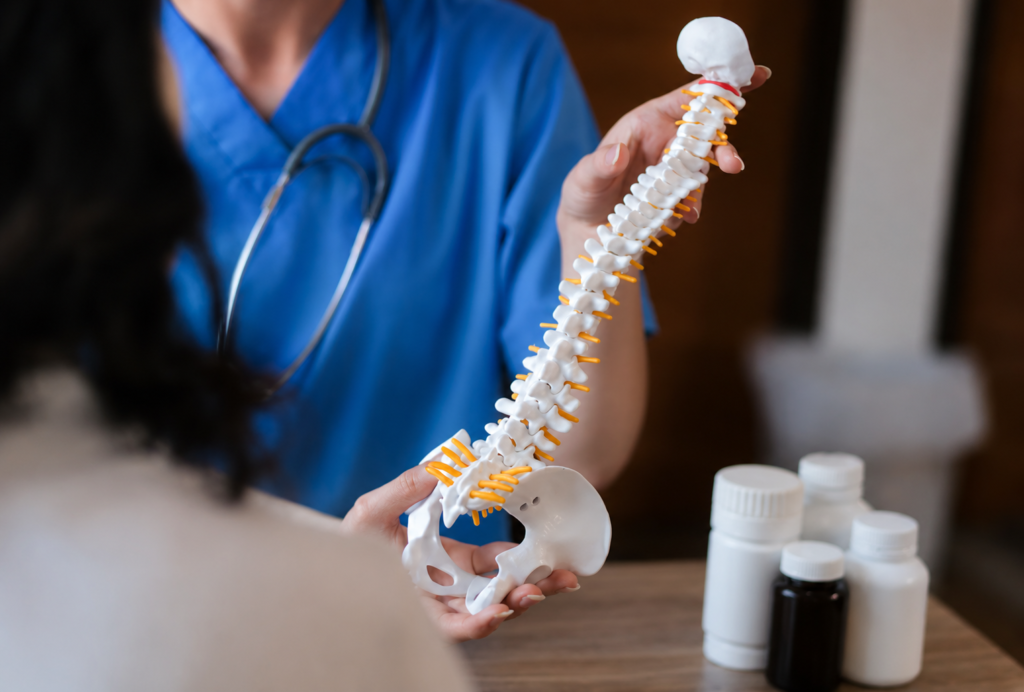
Understanding the basic structures of the spine can help explain why back pain occurs and how different conditions affect movement and function.
Cervical Spine (Neck)
The cervical spine consists of seven vertebrae that support the head and allow neck movement. Conditions such as cervical spondylosis, disc problems, muscle strain, or nerve compression may cause neck pain, stiffness, headaches, or pain radiating into the shoulders and arms.
Thoracic Spine (Upper Back)
The thoracic spine forms the upper and middle back and provides stability to the chest and rib cage. Pain in this region may result from poor posture, muscle strain, degenerative changes, or spinal disorders.
Lumbar Spine (Lower Back)
The lumbar spine bears much of the body's weight and is the most common source of chronic back pain. Conditions such as slipped discs, sciatica, spinal stenosis, and degenerative disc disease frequently affect the lower back.
Intervertebral Discs
Spinal discs act as cushions between the vertebrae, helping absorb shock and maintain flexibility. Damage or degeneration of these discs may lead to disc bulges, herniated discs, or nerve compression.
Facet Joints
Facet joints connect the vertebrae and help control spinal movement. Arthritis, degeneration, or injury involving these joints can cause persistent neck or back pain.
Spinal Nerves
Spinal nerves travel from the spinal cord to different parts of the body. When these nerves become compressed or irritated, symptoms such as pain, tingling, numbness, or weakness may develop in the arms or legs.
How Spine & Back Pain Affects Daily Life?
Spine and back pain can affect much more than physical comfort. Persistent pain, stiffness, and reduced mobility may interfere with daily activities, work performance, exercise, sleep, and overall quality of life. Common effects include:
- Mobility & Physical Function
- Work Challenges & Productivity
- Poor Sleep
- Emotional Impact
- Long-Term Quality of Life
Spine & Back Symptoms You Should Not Ignore
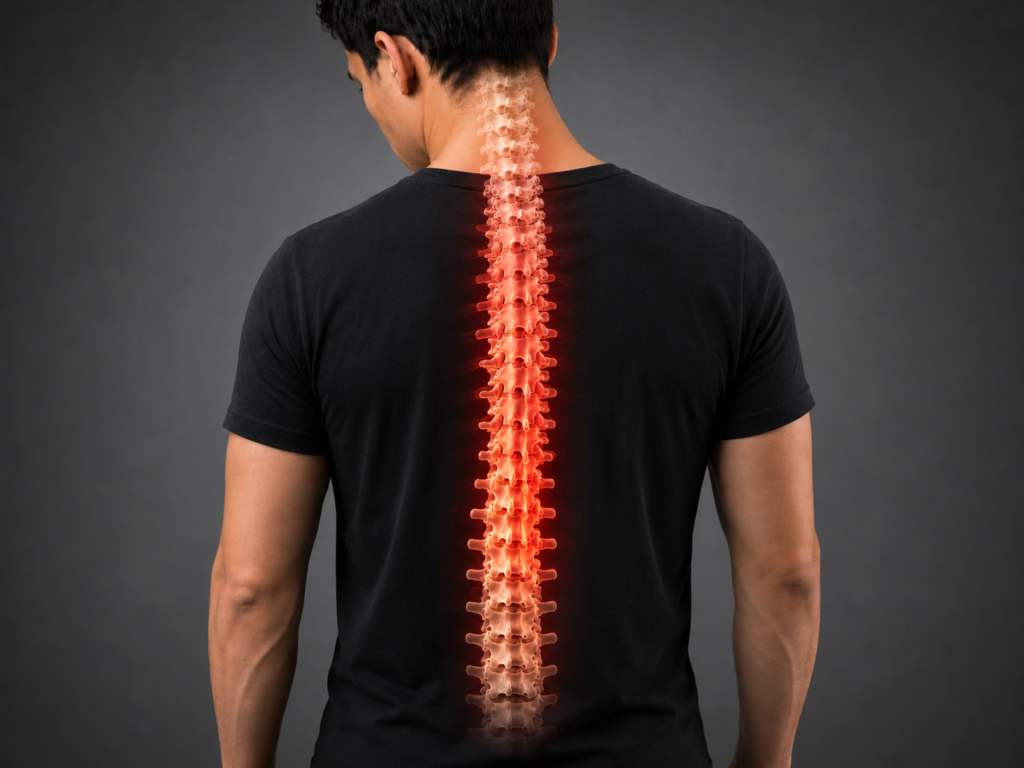
Persistent Back Pain
Radiating Leg Pain
Neck Pain & Arm Pain
Tingling & Numbness
Muscle Weakness
Difficulty Walking
Pain While Sitting or Standing
Night Pain & Sleep Disturbance
Causes & Risk Factors for Spine & Back Pain
Age-Related Degeneration
Disc Degeneration & Slipped Disc
Poor Posture
Repetitive Strain & Overuse
Sports & Physical Injuries
Obesity & Excess Body Weight
Sedentary Lifestyle
Osteoporosis
Previous Spine Surgery
Spinal Narrowing & Nerve Compression
Spine & Back Pain Evaluation & Diagnosis
Medical History & Symptom Assessment
Understanding your symptoms and health history.
Physical Examination
Evaluating movement, posture, and pain sources.
Neurological Evaluation
Assessing nerve function and muscle strength
Imaging Review
Identifying structural causes of pain.
X-Ray
Detects alignment issues and fractures
MRI Scan
Evaluates discs, nerves, and soft tissues.
CT Scan
Provides detailed spinal imaging
Functional Assessment
Measuring the impact on daily activities
What to Expect During Your Treatment Journey?
Consultation
Detailed review of symptoms, medical history, and lifestyle
Clinical Assessment
Evaluation of posture, movement, flexibility, and nerve function
Diagnostic Evaluation
Review of X-rays, MRI scans, or CT scans, if required
Personalised Treatment Plan
Customised treatment based on your diagnosis and goals
Treatment & Follow-Up
Advanced treatments with ongoing monitoring and recovery support
Benefits of Early Spine & Back Pain Treatment
Better Pain Control
Improved Mobility
Faster Return to Daily Activities
Reduced Dependence on Medications
Prevention of Chronic Pain
Improved Quality of Life
Recovery & Long-Term Spine Care
Recovery varies by condition and treatment, with exercises, posture correction, and rehabilitation helping improve pain and mobility.
Gradual improvement
In pain, mobility, and function
Regular follow-ups
To monitor recovery and treatment outcomes
Ongoing spine care
Through exercise, posture correction, and lifestyle modifications
Long-term mobility support
To maintain strength, flexibility, and independence
Why Patients Choose Dr. Namrata Dabas?
Combining clinical expertise, evidence-based treatments, and compassionate care for lasting relief
20+ years of experience in pain medicine and spine care
Expertise in advanced interventional pain procedures for chronic spine conditions
Image-guided treatments for enhanced precision and safety
Special interest in regenerative medicine, including SCP and BMAC therapies
Personalised treatment plans tailored to each patient's needs and goals
Focus on non-surgical spine care whenever appropriate
Comprehensive approach aimed at improving pain, mobility, function, and quality of life
Centres for Spine & Back Pain Treatment in Delhi-NCR
Dr. Namrata Dabas provides consultation, diagnosis, treatment planning, and ongoing Spine & Back Pain Treatment for patients across Delhi NCR. Patients experiencing chronic back pain, sciatica, slipped discs, cervical spondylosis, spinal stenosis, and other spine conditions can access expert care through multiple locations.
Spine & Back Pain Consultation in Dwarka
Patients can consult Dr. Namrata Dabas at Manipal Hospital, Dwarka, for comprehensive spine evaluation, diagnosis, pain assessment, and personalised treatment planning for acute and chronic spine conditions.
Advanced Spine Pain Procedures in Sonipat
Advanced interventional and regenerative procedures are performed at Manipal Jivisha Cancer Centre, Sonipat. Depending on the diagnosis, treatment may include Epidural Steroid Injections, Nerve Root Blocks, Facet Joint Injections, Radiofrequency Ablation (RFA), SCP Therapy, BMAC Therapy, and other image-guided pain management procedures.
Spine & Back Pain Consultation in Gurugram
Patients from Gurugram and surrounding areas can consult Dr. Namrata Dabas at Manipal Hospital, Palam Vihar, Gurugram, for expert assessment and advanced Non-Surgical Back Pain Treatment recommendations.
Frequently Asked Questions
Everything you need to know before your consultation
What causes chronic back pain? expand_more
Chronic back pain can result from degenerative disc disease, slipped discs, sciatica, spinal stenosis, arthritis, poor posture, previous injuries, or age-related spinal changes. A detailed evaluation helps identify the underlying cause and guide the most appropriate treatment.
What is the best non-surgical treatment for back pain? expand_more
The best treatment depends on the underlying condition. Options may include physiotherapy, medications, Epidural Steroid Injections, Nerve Block Treatment, Radiofrequency Ablation (RFA), SCP Therapy, BMAC Therapy, and other image-guided procedures.
Who is the best back pain specialist in Delhi NCR? expand_more
Patients seeking specialised Spine & Back Pain Treatment should consult an experienced Pain Management Specialist with expertise in diagnosing and treating chronic spine conditions using advanced non-surgical and interventional pain management techniques.
When should I see a pain management specialist for back pain? expand_more
You should seek specialist care if back pain persists for more than a few weeks, recurs frequently, radiates into the arms or legs, causes numbness or weakness, or interferes with daily activities and sleep.
Can sciatica be treated without surgery? expand_more
Yes. Many patients with sciatica improve with non-surgical treatments such as medications, physiotherapy, Epidural Steroid Injections, Nerve Root Blocks, and other Interventional Pain Management procedures.
Is Radiofrequency Ablation (RFA) effective for chronic back pain? expand_more
Radiofrequency Ablation (RFA) may provide long-lasting pain relief for selected patients with facet joint pain and chronic spine conditions by interrupting pain signals from affected nerves.
What is the difference between a slipped disc and a herniated disc? expand_more
There is no significant difference. A slipped disc is a commonly used term for a herniated disc, which occurs when the inner portion of a spinal disc protrudes through its outer layer and irritates nearby nerves.
How do epidural steroid injections help back pain? expand_more
Epidural Steroid Injections deliver anti-inflammatory medication around irritated spinal nerves, helping reduce inflammation, relieve pain, and improve mobility in conditions such as sciatica and disc-related nerve compression.
What is the difference between a pain specialist and a spine surgeon? expand_more
A Pain Management Specialist focuses on non-surgical treatments, pain relief, rehabilitation, and minimally invasive procedures, while a spine surgeon primarily treats conditions that require surgical intervention.
Where can I get advanced spine and back pain treatment in Delhi, Gurgaon, or Sonipat? expand_more
Dr. Namrata Dabas provides consultations at Manipal Hospital, Dwarka, and Manipal Hospital, Palam Vihar, Gurugram. Advanced spine pain procedures are performed at Manipal Jivisha Cancer Centre, Sonipat, based on the patient's condition and treatment requirements.
 WhatsApp